
My Journey in Business with a Mission
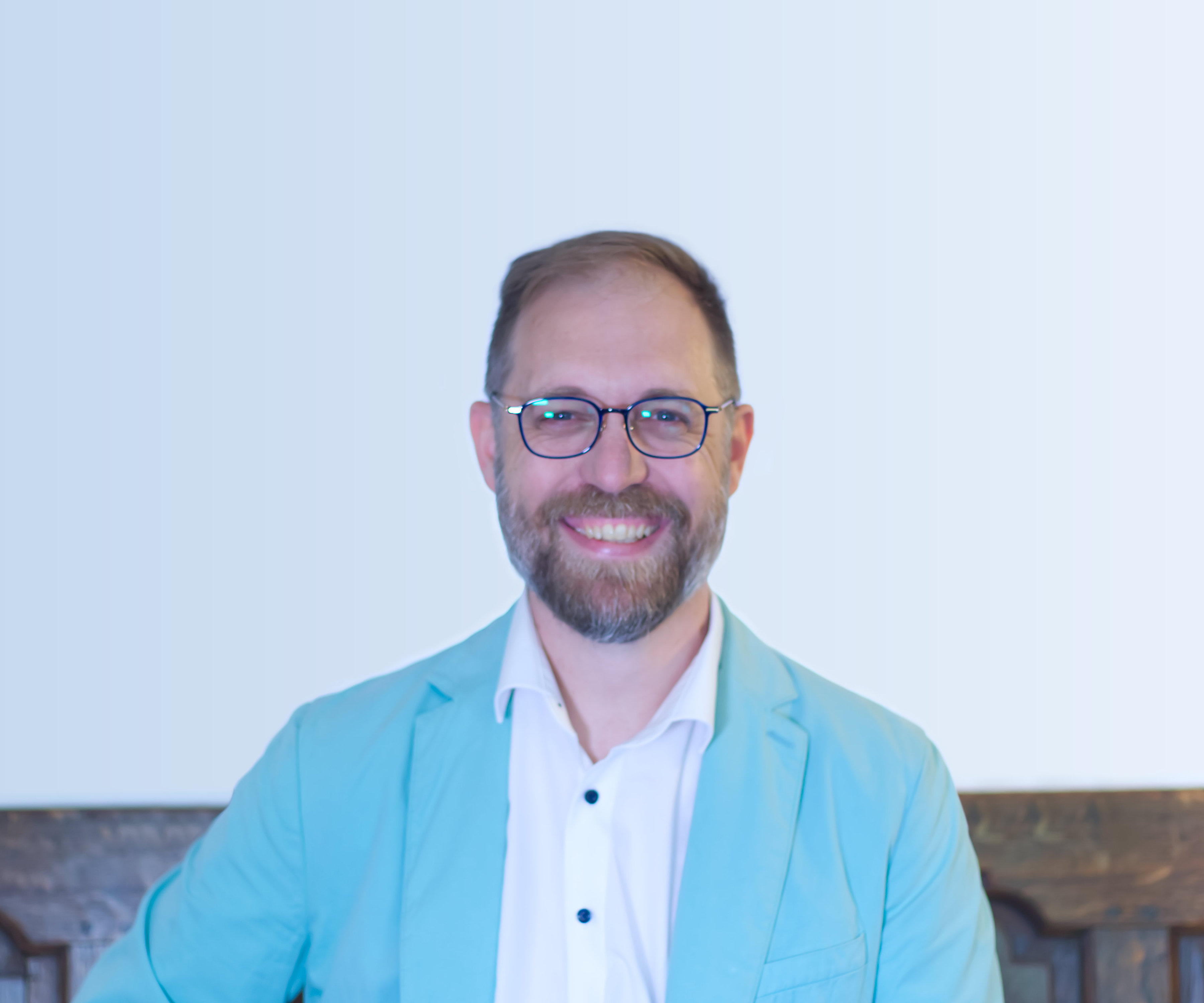
I've always believed businesses can powerfully advance God's kingdom when run with biblical purpose. Through my own failures and breakthroughs in numerous business ventures, I've developed a Missional Business Charter and applied it to a homecare company, Home Aid—hoping to align with Aquila Initiative's vision for disciple-making enterprises in Europe.
Initial Business Struggles
When I started in business, my 1st, 2nd and 3rd venture failed, but it sparked a deeper question: "A business can't be Christian, but as a Christian owner, how do I make it kingdom-oriented?" That sent me down a rabbit trail, studying Scripture on creativity, stewardship, finances, and marketplace impact.
With input from men like David Page (ATI academic board of advisors) and Max von Kymmel (Aquila board member), I refined it into the Missional Business Charter—a practical guide to infuse any business with gospel principles.
Experimenting with Real Ventures
My friend Zack Carlens (Aquila board member) and I got a chance to stress-test it on our design agency: from vision and mission to profit management, everything aligned with kingdom goals. While it served us well in the years the ensued, it did come to a close in 2025 due to decreasing clients and increasing generative AI. The "experiment" of integrating kingdom principles into business worked. It wasn't just a fanciful idea but had real life application and impact.
Then there was Home Aid. A friend with an existing business in the nursing industry and my need for an income led us to homecare. Together with Zack, the 3 of us committed to profit plus mission with Home Aid from the start. Being an honest businessman in Germany means always getting the short end of the stick. There are many grey areas where people operate but as a Christian this runs contrary. Ergo, being a significant hindrance to successful impact amd profit.
BIM means two goals: expanding God's kingdom and making profit to fuel it. Without profit, it's not a business, but an NPO. Beyond that, it's a way to witness through Christian ethics, and even more so through daily operations.
Building Lives Through our Team
Today, Home Aid employs a growing team, not all believers, which opens doors to share Christ through how we work and relate. Our manager Darko is a member of the IBC Cologne's german church plant (IGK), and has a servant heart—in the early days he donated time to care for an elderly client when we couldn't pay extra.
Our elderly clients which make up 23% of the population in Germany and have no children or very little contact with their children, are very lonely and need practical care and the hope we carry. Our interactions with them let us bear witness to Jesus naturally.
Looking Ahead to Growth
Three years in, Home Aid isn't fully profitable yet, but 2026 is looking very promising. We'll expand, hire more staff (some from our churches), invest in faithful staff like Darko, and create more evangelism opportunities through excellent service and humbly caring for our elderly clients.
How this links up with Aquila Initiative
This is the heart of Aquila Initiative's Business in Mission model: businesses that go beyond tithing profits—they evangelize, disciple, and are a platform for church planting where the gospel is scarce.
In Europe, with 97% unreached, we need to enter homes, offices, and communities the church can't reach alone.
Home Aid has the potential to let my church increase it's impact sustainably, and partnering with Aquila Initiative equips leaders like me to do it at scale.


Comments